
A glass of water can look perfectly clear and still taste like chlorine, leave an odd aftertaste in coffee, or make you question what your family is drinking every day. So, are reverse osmosis systems worth it? For many homeowners, yes – especially when better-tasting drinking water, reduced bottled-water spending, and added filtration for certain dissolved contaminants matter. But an RO system is not automatically the right answer for every faucet, every home, or every water concern.
The honest answer comes down to your water quality, your expectations, and whether you choose a properly sized, professionally installed system. Here is what Palm Beach County homeowners should know before deciding.
What a Reverse Osmosis System Actually Does
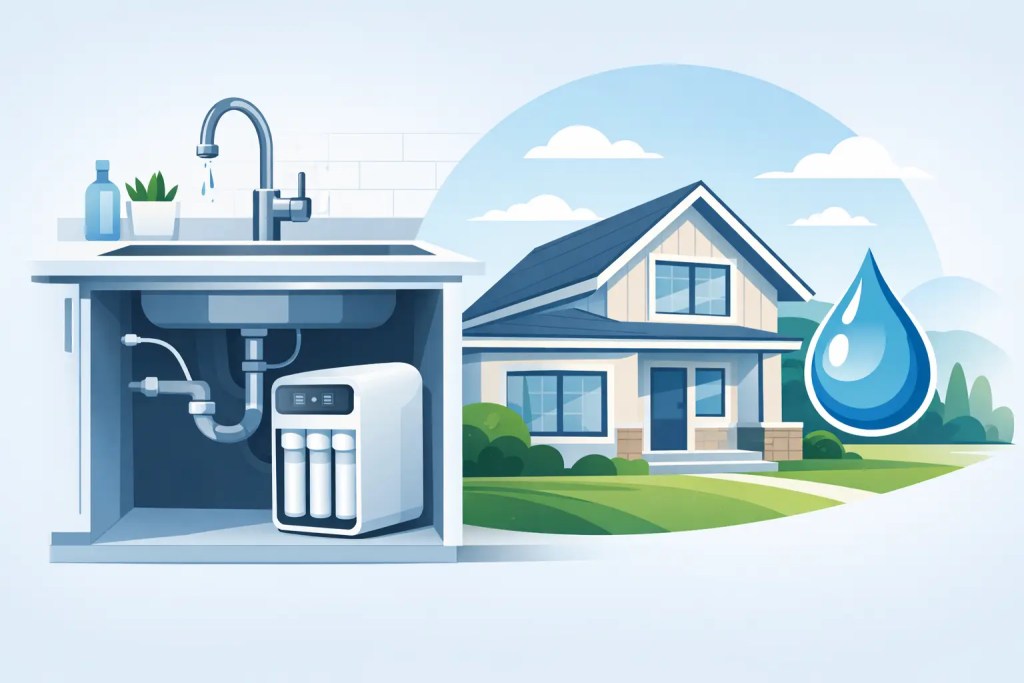
A reverse osmosis, or RO, system is a point-of-use drinking water filter. It is usually installed beneath the kitchen sink and sends filtered water to a dedicated drinking-water faucet. Some homeowners also connect it to a refrigerator ice maker.
Unlike a basic pitcher filter, an RO system uses water pressure to push water through a very fine membrane. That membrane helps reduce many dissolved substances that can affect water quality, along with particles that are much smaller than what a standard sediment filter catches. Most quality systems also use prefilters and carbon filters to address sediment, chlorine, and taste before water reaches the membrane, then a final carbon filter for a clean taste at the faucet.
The exact reduction claims depend on the system and its certifications. That matters. A trustworthy recommendation should be based on NSF-certified equipment and on the specific water concerns you want addressed, rather than a vague promise that one filter solves everything.
Are Reverse Osmosis Systems Worth It? The Main Benefits
The biggest day-to-day benefit is usually obvious: drinking water tastes better. Municipal water in communities from Jupiter to Boca Raton is treated to make it safe for public distribution, but treatment disinfectants such as chlorine can still leave a noticeable flavor or odor. RO filtration can make water more pleasant for drinking, cooking, coffee, tea, soups, and pet bowls.
For families that regularly buy bottled water, an under-sink system can also be a practical long-term alternative. Instead of hauling cases from the store and filling the recycling bin, you have filtered water available when you need it. The upfront cost and periodic filter replacements are real, but they can compare favorably with ongoing bottled-water purchases over time.
An RO system can also provide an additional layer of filtration for drinking water when homeowners are concerned about certain dissolved contaminants, including some heavy metals and PFAS compounds. No responsible water professional should assume what is in your water without reviewing local reports or testing when appropriate. Still, a certified RO system is often a strong option when the goal is high-quality water specifically for consumption.
There is a convenience benefit, too. You do not have to remember to refill a pitcher, wait for a countertop filter, or keep bottled water cold. A properly installed RO system delivers filtered water from its own faucet on demand.
Where Reverse Osmosis Is Not the Complete Answer
RO is designed for drinking and cooking water, not for treating every gallon used in the home. It will not make your shower water feel softer, prevent hard-water scale on fixtures, or protect the water heater, dishwasher, washing machine, and plumbing from mineral buildup.
That distinction is especially relevant in South Florida, where hard water is a common homeowner frustration. If you see white spots on glassware, crust around faucets, stiff laundry, or recurring buildup on appliances, a water softener or whole-home treatment system may be the more direct solution. A whole-home carbon filter can also help reduce chlorine throughout the house, which can improve the water experience for bathing and laundry.
Many homes benefit from a combined approach: whole-home treatment for the water used everywhere, plus reverse osmosis at the kitchen sink for premium drinking water. That is not a one-size-fits-all package. It is simply a more complete setup when both household water comfort and drinking-water quality are priorities.
The Costs and Trade-Offs to Consider
A reverse osmosis system has ongoing maintenance needs. Prefilters and carbon filters need replacement on schedule, while the membrane usually lasts longer but is not permanent. The replacement interval varies by system, household water use, and incoming water conditions.
Skipping maintenance can reduce water flow, affect taste, and shorten membrane life. This is one reason installation support and clear service guidance are worth considering alongside the initial price. A low-cost system is not necessarily a good value if replacement filters are difficult to find or no one explains how to maintain it.
RO systems also produce some reject water as part of the filtration process. Modern systems vary significantly in efficiency, and some use pumps or improved designs to reduce waste. If water efficiency is a major concern, ask about the system’s recovery rate before buying.
Finally, RO filtration reduces dissolved minerals along with the substances you may want to reduce. For most people who eat a balanced diet, drinking-water minerals are not the primary source of nutrition. But if you prefer a particular mineral taste, you can ask about a remineralization stage that adds a small amount of minerals back after filtration.
How to Tell Whether RO Makes Sense for Your Household
An RO system is often a worthwhile investment if you regularly dislike the taste or smell of tap water, buy bottled water often, or want stronger drinking-water filtration than a refrigerator filter or pitcher can typically provide. It also makes sense for households with babies, children, older adults, or anyone who simply wants more confidence in the water used for drinking and cooking.
It may be less urgent if you already enjoy your tap water, rarely drink water at home, or your primary complaint is scale, dry-feeling skin, or spots on dishes. Those issues point more directly to whole-home filtration and softening than to an under-sink RO unit.
Before making a decision, start with a few practical questions:
- What do you notice: chlorine taste, odor, sediment, scale, or something else?
- Are you on municipal water or a private well?
- Do you want improved drinking water only, or better water at every fixture?
- How much bottled water does your household buy in a typical month?
- Are there local water-quality reports or test results that identify a specific concern?
Those answers help avoid buying more equipment than you need – or buying the wrong equipment for the problem.
A Note on Water Testing and Certifications
Water treatment should be based on facts, not fear. Public water suppliers publish water-quality information, but conditions can vary based on location, plumbing, and individual household needs. If you have a specific concern, testing can help identify the right treatment path.
When comparing RO systems, look beyond marketing language. Ask what the unit is certified to reduce, what filters it uses, how often each component needs replacement, and whether the installer will support the system after the sale. These details tell you far more about long-term value than a bargain price alone.
Choosing the Right System Matters as Much as Choosing RO
A good reverse osmosis system should fit neatly under the sink, provide enough production capacity for your household, and use components built for dependable performance. It should also be installed correctly so the drain connection, shutoff valve, storage tank, and faucet all work as intended.
Professional installation is particularly helpful when cabinet space is tight, a refrigerator line is involved, or you are pairing RO with a whole-home system. It removes the guesswork and gives you someone to call if water pressure changes or it is time for service.
For homeowners in Palm Beach County, Honest Water of the Palm Beaches can evaluate your water concerns and explain whether an RO system, whole-home filtration, softening, or a combination is the most sensible fit. The goal should be clean, great-tasting water and a solution you understand – not a system you were talked into.
If your family is reaching for bottled water because the water from the tap is not enjoyable, a certified reverse osmosis system is well worth a closer look. Start with your actual water concerns, compare maintenance and certification details, and choose a setup that makes daily life easier for years to come.
